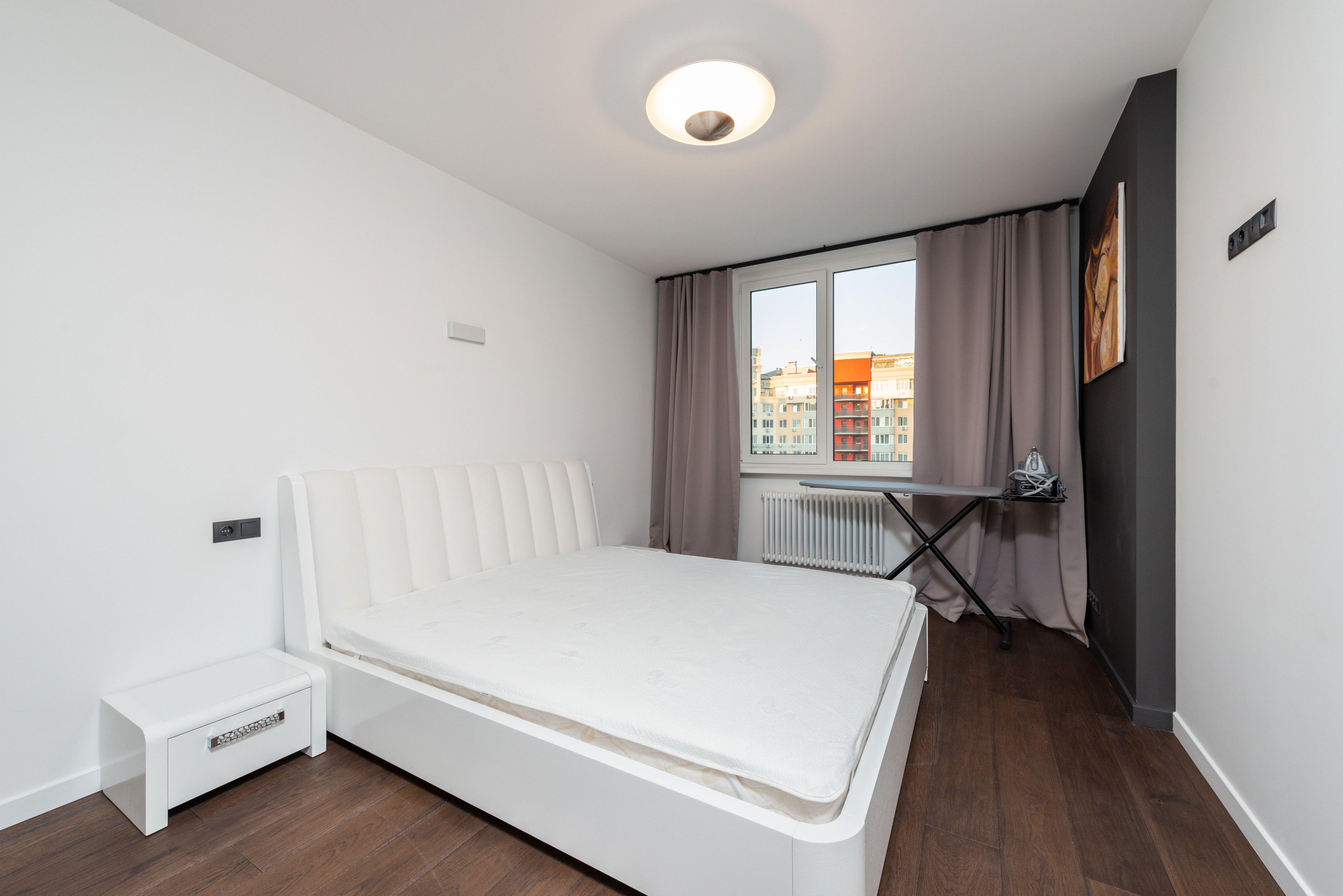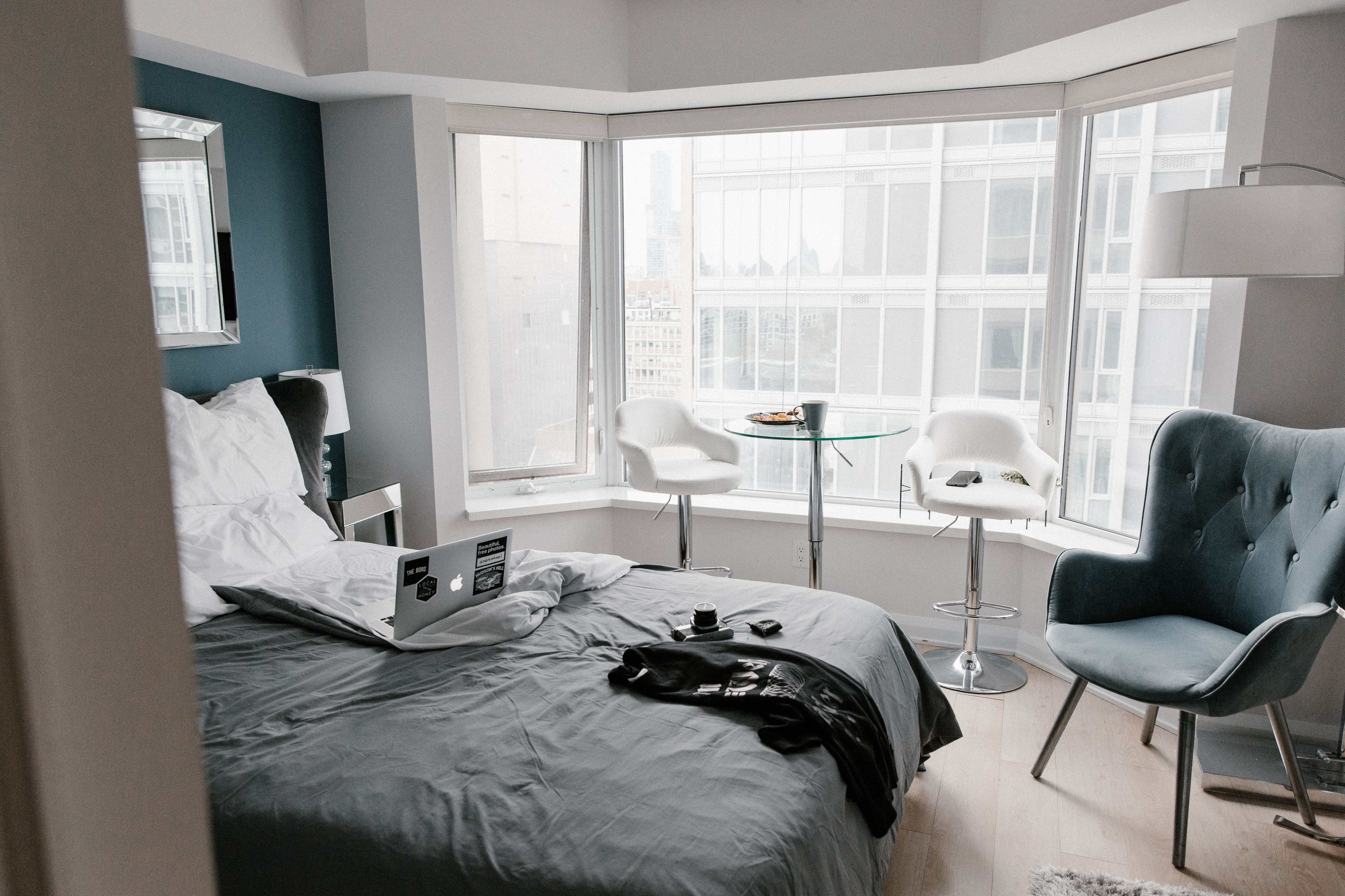
Studio Living in Aurora, Colorado

Easy Commuting From 6th Avenue to Anschutz Medical Campus-image

Quick Answer: Commuting from 6th Avenue to Anschutz Medical Campus covers roughly three miles, and most residents drive it in 10 to 15 minutes. By transit, the R Line runs north from 13th Avenue Station to Colfax and Fitzsimons stations in two stops, and a free campus shuttle meets trains at Fitzsimons on weekdays. Oslo on 6th sits at 14200 East 6th Avenue in Aurora, which puts the hospitals, labs and lecture halls of the Fitzsimons district a few minutes north of the front door. Commuting from 6th Avenue to Anschutz Medical Campus is one of the shortest medical-district trips in the metro, and it can be done by car, by rail or by bus. Our community serves the Aurora 80011 area and the neighborhoods that feed the campus every shift. What to Look For in Aurora Apartments Near the Anschutz Campus Proximity does most of the work. Every mile you cut from a hospital commute is time back on both ends of a 12-hour shift, and it removes the weather risk that makes a February 6 a.m. start miserable. Look at distance first, then at parking cost, then at whether transit actually runs when your shift ends. Distance beats amenities on a hospital schedule The U.S. Census Bureau's 2020 to 2024 American Community Survey puts the mean travel time to work in Aurora at 28.6 minutes . A three-mile commute to the Anschutz campus cuts that roughly in half, twice a day, five days a week. Over a year that difference is measured in days, not minutes. Shift work sharpens the math. If you clock in at 6:45 a.m., a 12-minute drive means leaving at 6:25. A 30-minute drive from a cheaper suburb means leaving at 6:05, in the dark, on I-225. Check the Anschutz Medical Campus map before you sign The campus is large and your building matters. Children's Hospital Colorado, UCHealth University of Colorado Hospital, the Fitzsimons Building and the research towers all sit at different points along 17th Place and Montview Boulevard. Pull up the official Anschutz Medical Campus map, find the door you will actually use, then measure from there. Our map and directions page shows the approach from 6th Avenue. How Long Is the Drive From 6th Avenue to CU Anschutz? Door to door, the drive is short. The usual route runs north on Sable Boulevard or Peoria Street, crosses Colfax Avenue, then picks up Montview or 17th Place into campus. Outside the morning rush it is a 10-minute trip. During peak signal timing on Colfax, budget 15. Cost is where the options separate. CU Anschutz publishes employee full-time permit parking at $71 per month, student gated permits at $40, and the discounted East Rock Lot at $14 for students. Visitor lots run $1 per hour up to $8 for the day. Employees can also enroll in the campus RTD EcoPass program, and degree-seeking students ride on the RTD CollegePass included in tuition and fees. Commute option Typical door-to-door time Monthly cost Best for Drive with a campus permit 10 to 15 minutes $71 employee, $40 student gated, $14 Rock Lot Nights, weekends, rotating shifts R Line plus Fitzsimons campus shuttle 30 to 40 minutes $88 local fare cap, less with EcoPass or CollegePass Weekday day shifts Route 6 bus plus transfer 35 to 45 minutes Same RTD local fare Car-free households Bike 15 to 25 minutes No recurring cost Spring through fall Can You Reach Anschutz Medical Campus in Aurora Without a Car? Yes. RTD's R Line was built through this corridor for exactly this reason, and it places two stations within walking distance of campus. Colfax Station is about a 10-minute walk from campus buildings. Fitzsimons Station sits north of campus on Fitzsimons Parkway and is served by a free rail shuttle. The R Line, 13th Avenue and Aurora Metro Center Station The closest R Line stop to 6th Avenue is 13th Avenue Station at 14110 East 13th Avenue, a short walk or quick drive north with a 262-space park-and-ride lot. From there it is one stop to Colfax and two to Fitzsimons. Southbound, the same line reaches Aurora Metro Center Station, the city's main transfer hub, where routes 3, 6, 11, 15L, 21, 130, 133 and 153 connect. One caveat worth planning around. The CU Anschutz rail shuttle runs weekdays only, roughly 5 a.m. to 5 p.m., and does not serve Colfax Station. Night-shift and weekend staff should plan on the 10-minute walk from Colfax Station or on driving. Getting from Aurora to Denver on the same fare The R Line terminates at Peoria Station, where it meets the University of Colorado A Line. That single transfer turns an Aurora to Denver trip into a straightforward ride: Peoria to Union Station takes about 16 minutes, with stops including 40th and Colorado Station and Central Park along the way. The A Line also runs the other direction to Denver International Airport. RTD local fares run $2.75 for a three-hour pass and $5.50 for a day pass. Fare capping means a MyRide account or Tap-n-Ride stops charging after $88 in local trips in a month. Youth 19 and under and active-duty U.S. military ride free with proof of eligibility. Frequently Asked Questions How far is Oslo on 6th from the Anschutz Medical Campus in Aurora? About three miles by road. The community sits at 14200 East 6th Avenue and the campus core runs along East 17th Place, roughly 11 blocks north and a mile or so west. Most residents drive it in 10 to 15 minutes depending on Colfax signals. Is there free parking at CU Anschutz? Not during business hours. The campus runs a paid permit and visitor system, and rates are set by the parking office: Employee full-time permit: $71 per month Student gated permit: $40 per month East Rock Lot for students: $14 per month Carpool permit: $42 per month for two or more participants Visitor lots: $1 per hour, capped at $8 per day Which R Line station is closest to Aurora housing on 6th Avenue? 13th Avenue Station, two blocks west of 13th and Sable. It is the nearest stop to the 6th Avenue corridor and has free park-and-ride parking. Note that no bus routes connect there, so you walk, bike or drive to the platform. How do I get from Aurora to Denver Union Station by train? Ride the R Line north to Peoria Station, then transfer to the A Line westbound. The A Line reaches Union Station in about 16 minutes from Peoria. One local fare covers the whole trip, including the transfer, as long as it starts within your pass window. Should I rent a studio or a 1 bedroom apartment in Aurora CO for a campus commute? It depends on how much time you actually spend at home. Residents working clinical rotations or research hours often find a well-designed studio covers their needs at a lower monthly cost. Compare layouts on our studio floor plans before deciding. Conclusion Commuting from 6th Avenue to Anschutz Medical Campus is short by car, workable by rail and cheap by bike for most of the year. The trade-off is straightforward: driving costs a permit but works any hour, while the R Line costs less and works best on a weekday daytime schedule. Take a look at the community first, then pick the route that fits your shift. Our photo gallery and virtual tour shows what living three miles from the Aurora campus looks like.

Read more
Furnished vs Unfurnished: The Smarter 9-Month Choice-image

Quick Answer: Furnished vs unfurnished comes down to one number: nine months of rent premium set against what furniture actually costs. On a $950 Aurora studio, a 20% furnished premium runs about $1,710 over nine months. Budget furniture for that same studio runs $1,500 to $3,000. Whatever you already own is the tiebreaker. Furnished vs unfurnished is a math problem, not a taste question. Nine months is the length where the answer genuinely flips, because it is too short to spread a mattress purchase over years and too long to shrug off a premium every single month. Oslo on 6th leases studios on East 6th Avenue in Aurora, CO, with published rents from $850, so check the current studio floor plans and pricing before you run any of the numbers below. What to Look For in a Furnished vs Unfurnished Apartment Two numbers decide this. First, the monthly premium the same floor plan carries when it comes furnished. Second, what it costs to fill an empty studio, minus whatever is already sitting in a relative's garage. Everything else is noise. Get both figures in writing, then multiply the premium by nine. Watch the costs that sit outside the rent line, too. Delivery and assembly commonly add 15% to 30% on top of furniture prices. A furnished unit may carry a separate deposit for the furniture itself. And if you own pieces that will not make the trip, a storage unit becomes a bill you pay for all nine months. What Is a Furnished Apartment? A furnished apartment includes the furniture you would otherwise buy, usually a bed, a sofa or sofa bed, a table and lamps. Fully furnished can extend to kitchenware, linens and a TV. Semi-furnished often means the large pieces only. Ask for the item list in writing, because "furnished" is a marketing word rather than a standard. Do Apartments Come With Furniture by Default? No. A standard American apartment comes with appliances and fixtures, not furniture. Oslo on 6th lists a built-in desk, quartz countertops and modern cabinetry among its apartment features, and furniture is not on that list, so the desk is handled and the rest is yours to sort out. Confirm your specific unit with the leasing office. The photo gallery and virtual tour shows how the studios are staged, which is never the same thing as what ships with the unit. Are Furnished Apartments More Expensive Over Nine Months? Yes, per month. Furnished units commonly carry a 15% to 30% premium over the same unit empty, and short mid-term stays push that past 40%. Whether the premium beats buying depends on the nine-month total, not the monthly figure. Furniture pricing is currently helping the unfurnished side. In the August 2026 Consumer Price Index , the Bureau of Labor Statistics recorded furniture and bedding down 0.8% over twelve months, while rent of primary residence rose 2.7%. Here is the nine-month picture at a $950 studio rate, near the middle of Oslo on 6th's published range. Nine-month line item Unfurnished, buy your own Unfurnished, rent furniture Furnished at a 20% premium Base rent, nine months $8,550 $8,550 $10,260 Furniture outlay $1,500 to $3,000 $1,161 to $1,944 $0 Moving and setup effort Yours, plus assembly Delivery and pickup included None What you own after month nine A full studio setup Nothing Nothing Nine-month total $10,050 to $11,550 $9,711 to $10,494 $10,260 The spread across all three routes is a few hundred dollars. That is the part most guides skip: at nine months these options are close to tied, and only one of them leaves you holding a bed at the end of it. Push the stay to eighteen months and buying wins outright, since the premium keeps charging while the furniture bill does not. The Real Cost of Renting Furnished for Less Than a Year Furniture rental is the third route, and it prices better than most renters expect. CORT's move-in ready packages start around $129 a month on a twelve-month term, and its student packages run about $216. Industry comparisons published in 2026 put full apartment packages between $200 and $500 a month. Two cautions apply. Terms shorter than a year usually cost more per month than the advertised rate, and rent-to-own plans can total well above what the furniture retails for. Read the total, never the monthly. Furnished or Unfurnished: Which One Fits a Nine-Month Stay? Work out your break-even furniture budget first. On a $950 studio, a 20% premium is $190 a month, so nine months of premium equals $1,710. Furnish for less than that and unfurnished wins on cash while you keep the furniture. If you cannot, or you are arriving with two suitcases, the premium is buying you a service instead of an asset. Already own a bed and a sofa: unfurnished, every time. Flying in for a contract or a school year: price the furnished option and a rental package side by side. Likely to stay past month twelve: buy, because the break-even keeps moving in your favor. Storing furniture somewhere else: add the storage bill to the furnished column before comparing. Living solo in a studio: a sofa bed replaces two purchases, which is how most studio budgets land under $1,500. One local wrinkle is worth a phone call. Oslo on 6th publishes lease terms of 10 to 15 months on most floor plans as of September 2026, and its second-month-free special asks for 12 to 15 months. A clean nine-month term may need a conversation, and short leases typically price higher per month wherever you rent. Ask the leasing team what is available for your move-in date, and look at the East 6th Avenue location if a nine-month assignment near Anschutz or Buckley is what is driving the timeline. Frequently Asked Questions 1. Is it better to rent furnished or unfurnished for a nine-month stay? Unfurnished usually wins if you own furniture or can buy secondhand for under roughly $1,700, which is nine months of a typical 20% premium on a $950 studio. Furnished wins when you relocate light, because you skip the buying, the delivery, the assembly and the move-out sell-off. 2. Should I rent furnished or unfurnished if I already own a bed? Unfurnished. A mattress and frame are the most expensive part of any studio setup, so owning them removes the strongest argument for paying a premium. Bring the bed, add a small table and a chair, and your furniture outlay for a studio can stay under $600. 3. What should I ask before renting furnished? Get these four answers in writing before you sign: The exact item list, including lamps, linens and kitchenware The same floor plan's unfurnished rate, for a clean comparison Who repairs or replaces a damaged piece, and at what cost Whether the furniture carries a deposit separate from the standard one 4. Does furniture rental cost less than a furnished premium? Often, slightly. Nine months at $129 to $216 a month lands between $1,161 and $1,944, against about $1,710 for a 20% premium on a $950 studio. Rental usually includes delivery and pickup. You own nothing at the end either way, so compare totals rather than monthly figures. 5. What happens to my furniture when a nine-month lease ends? You move it, store it or sell it, and all three cost something. A local move, a storage unit and a secondhand sale at a loss each eat into the savings that made unfurnished look cheap. Budget for the exit before you decide, not after you have signed. Conclusion Furnished vs unfurnished over nine months is far closer than the monthly rates suggest. A 20% premium on an Aurora studio costs roughly $1,710 across the stay, furniture rental lands in the same band, and buying budget pieces runs $1,500 to $3,000 with a bed to show for it afterward. Count what you already own, then pick. Studio rates at Oslo on 6th in Aurora, CO ran from $850 to $1,161 as of September 2026, and the leasing team can confirm exactly what your unit includes.

Read more
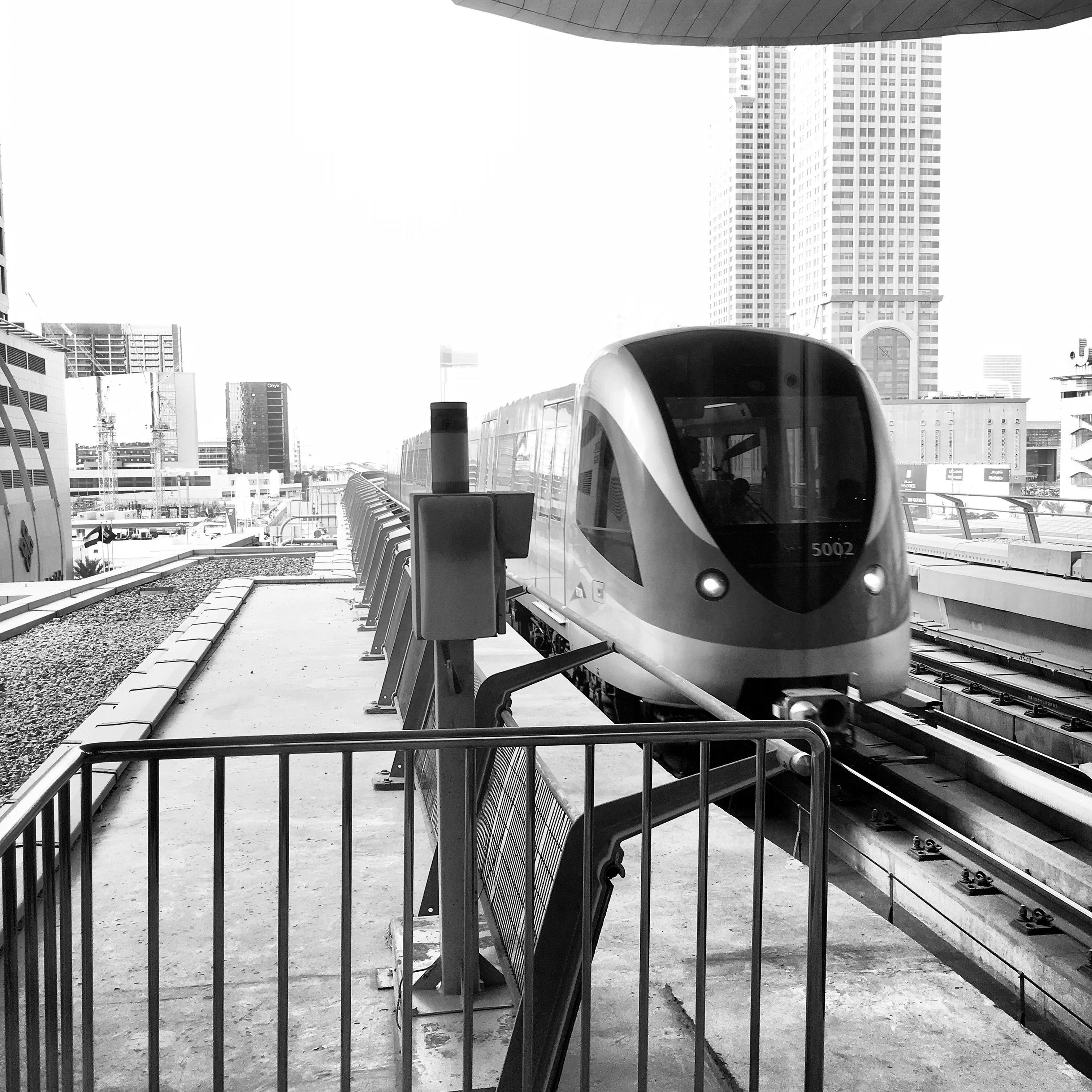
Riding the R Line From Aurora: An Easy Guide to DEN and DTC-image

Quick Answer: Riding the R Line from Aurora gets you to the Denver Tech Center with no transfer and to DEN or Union Station with one change at Peoria. From 2nd Ave•Abilene, the closest stop to Oslo on 6th, the Tech Center is about 25 to 30 minutes away. A standard fare is $2.75, or $10 for airport trips. Oslo on 6th studio apartments , serving renters in Aurora's City Center North area, sit less than half a mile from an R Line stop in a straight line. That matters more than it did a year ago. On June 7, 2026, RTD doubled daytime service to a train every 15 minutes and stretched the line south to RidgeGate Parkway, so riding the R Line from Aurora now works as a daily habit. What to Know Before Riding the R Line From Aurora The R Line is RTD's light rail line through Aurora. It runs 19 stations from Peoria, where it meets the A Line to the airport, south along I-225 and I-25 to RidgeGate Parkway in Lone Tree. Trains come every 15 minutes from 6 a.m. to 6 p.m. on weekdays and 9 a.m. to 6 p.m. on weekends. Outside those hours, the gaps get longer. Check the RTD NextRide app before a late shift or an early flight. Aurora Metro Center Station Is the Bus Hub One stop south of 2nd Ave•Abilene, Aurora Metro Center Station sits between the Town Center at Aurora mall and the Aurora Municipal Center. Bus routes including the 3, 6, 11 and 153 pull into its bays. RTD has no stop named Aurora Station, so use this name in a trip planner. An aurora railway station search can also land you in Aurora, Illinois, where Metra's BNSF commuter line from Chicago ends. Anschutz Is a Short Ride North Riding the R Line from Aurora to Anschutz is quick. Colfax Station, on the east edge of the CU Anschutz Medical Campus, is 6 minutes north of 2nd Ave•Abilene. Fitzsimons Station is 3 minutes farther and has a free campus shuttle on weekdays only. What's the Nearest Light Rail to Me From Oslo on 6th? 2nd Ave•Abilene Station is the closest, less than half a mile south of the building in a straight line. 13th Avenue Station is about 0.7 miles north, and Colfax and Aurora Metro Center are each roughly 1.1 miles away. All of them sit on the R Line, so pick based on your walk and bus needs. 2nd Ave•Abilene has a Park-n-Ride where in-district cars park free for the first 24 hours, then pay $2 a day. 13th Avenue has a lot but no bus service. If a transit station near me search from the building lists several stops, pick 2nd Ave•Abilene for the shortest walk. Walking routes around I-225 aren't always direct, so trace the path on our neighborhood map and directions page before your first commute. When to Ride the Bus Instead Route 6 runs along East 6th Avenue and stops at both 2nd Ave•Abilene and Aurora Metro Center, which helps on a snowy morning or with a suitcase. It's also a one-seat trip into downtown Denver. How Long Does Riding the R Line From Aurora Take? From 2nd Ave•Abilene, scheduled train time runs from about 9 minutes to Anschutz to 41 minutes to Sky Ridge, based on RTD's September 2026 timetable. The table counts time on board only, so add your walk and the transfer wait at Peoria, which can reach 30 minutes early and late in the day. Destination How to Ride Train Time Standard Fare Fitzsimons (CU Anschutz) R Line north About 9 min $2.75 Belleview (north DTC) R Line south, no transfer About 25 min $2.75 Arapahoe at Village Center R Line south, no transfer About 30 min $2.75 Union Station R Line to Peoria, A Line west About 31 min plus transfer $2.75 Denver International Airport R Line to Peoria, A Line east About 36 min plus transfer $10 Airport Day Pass Sky Ridge (Bustang stop) R Line south, no transfer About 41 min $2.75 Most trips One R Line ride, or one transfer at Peoria 9 to 41 min on board $2.75 local, $10 airport To Denver International Airport Plan on one transfer when riding the R Line from Aurora to DEN. Stay on a northbound train to Peoria, the end of the line, and cross the platform to an eastbound A Line train. A Line trains run every 15 minutes through most of the day and every 30 minutes early and late. Buy the $10 Airport Day Pass, which covers both trains and every other RTD ride that day. Holding a $2.75 3-Hour Pass already? Station ticket machines sell a $7.25 airport upgrade. To Union Station and Downtown Denver Downtown works the same way: R Line to Peoria, then a westbound A Line to Union Station, about 16 minutes more. Skip the old H Line shortcut from Florida Station, which is suspended during RTD's downtown rail rebuild. Riding south to Belleview for the E Line also works, but it takes close to an hour. To the Denver Tech Center For Tech Center jobs, riding the R Line from Aurora is a one-seat trip. Southbound trains reach Belleview, Orchard, Arapahoe at Village Center and Dry Creek 25 to 33 minutes after leaving 2nd Ave•Abilene, with no transfer. That's close to Aurora's average one-way commute of 28.6 minutes, according to U.S. Census Bureau QuickFacts for Aurora . RTD's DTC FlexRide on-demand service can cover the last stretch to an office park. If you'd rather ride the rapid transit line than sit on I-25 at rush hour, this is where it pays off. The R Line also reaches Sky Ridge Station, where the Bustang South Line stops. CDOT's Bustang express bus service covers interstate rides down I-25 to Colorado Springs. Frequently Asked Questions 1. Does the R Line go to Denver International Airport? Not directly. The R Line ends at Peoria Station, where you cross the platform to the A Line for the last 21 minutes to DEN. A single $10 Airport Day Pass covers both trains. Discount fares include the airport at no extra charge, and youth 19 and under plus active-duty military ride RTD free. 2. How much does it cost to ride the R Line? Standard RTD fares in 2026 are: $2.75 for a 3-Hour Pass $5.50 for a Day Pass $10 for an Airport Day Pass $88 for a Monthly Pass, airport trips included Tap-n-Ride and MyRide accounts cap fares automatically once you reach the day or monthly price. 3. Does RTD sell a RapidPass? No, RTD has no product called a RapidPass. The closest match is Tap-n-Ride: tap a contactless card or phone wallet on the validator and RTD caps your fares, so a busy month never costs more than the $88 Monthly Pass. Employers and colleges can also buy EcoPass or CollegePass for their people. 4. Where is the Aurora Transportation Center? It's in Aurora, Illinois, at 233 North Broadway, where Metra's BNSF commuter line from Chicago ends. In Aurora, Colorado, the main transfer point is Aurora Metro Center Station on the R Line, next to the Aurora Municipal Center and served by several RTD bus routes. 5. Is the H Line still running from Florida Station? Not at the moment. RTD suspended the H Line on June 7, 2026, while it rebuilds downtown track, and says that project runs into 2027. Until then, ride the R Line north to Peoria and switch to the A Line for Union Station, or head south to Belleview and catch the E Line. Getting Around Aurora Without a Car Riding the R Line from Aurora gives you a straight shot to the Tech Center and a single transfer to DEN or Union Station. Evening gaps and the H Line suspension are the two catches worth planning around. From Oslo on 6th, every trip starts at 2nd Ave•Abilene, the closest stop to the building. If a studio near the train in Aurora's City Center North belongs on your list, look through our studio floor plans and the photo tour .

Read more
Cost of Living in Aurora 80011: A Single Renter's Budget-image

Quick Answer: The cost of living in Aurora 80011 runs roughly $1,800 to $3,000 a month for one person renting alone. Rent is the biggest line by far. Aurora studios averaged $1,186 in August 2026 according to RentCafe, and the rest of the budget comes down to utilities, food, how you get to work, and Colorado's flat 4.4% income tax. Rent is the number that scares people off. It should not be the only one you plan around. This guide breaks the cost of living in Aurora 80011 into the lines that actually hit a single renter's checking account, using current market data and the City of Aurora's own published rates. Oslo on 6th sits inside the ZIP itself, serving the East Colfax and Del Mar corridor, so where the community sits relative to Anschutz, Buckley, and the R Line shapes a lot of what follows. What the Cost of Living in Aurora 80011 Actually Includes Eight recurring costs cover almost everything a single renter pays: rent, renters insurance, electricity and gas, internet, groceries, transportation, phone, and discretionary spending. Everything else is either annual, occasional, or already bundled into rent. Nail those eight and your monthly number stops being a guess. Where 80011 differs from the rest of the metro is density of jobs relative to price. You are minutes from the Anschutz Medical Campus, Buckley Space Force Base, and Denver International Airport, but rents here sit below what the same square footage costs in Central Park or Lowry. That gap is the whole reason people search for this ZIP by number. Which 80011 County You Land In Changes Your Math Aurora spans three counties, and 80011 straddles two of them. Mail addressed to Aurora CO 80011 USA can land in either Adams or Arapahoe County depending on the street. The 80011 county split matters for one practical reason: sales tax. Arapahoe addresses pay a combined 8.00%, Adams addresses pay 8.50%, per the City of Aurora's rate table reviewed January 1, 2026 . On $600 of monthly taxable spending, that half point is about $3. Small, but it is real, and it also determines which county assessor and court you deal with. How Much Does a Single Renter Spend Each Month? Below is a working budget with two columns. The lean column assumes a studio at the low end, transit instead of a car, and cooking at home. The comfortable column assumes a nicer unit, a paid-off car with insurance and fuel, and a normal social life. Most renters land somewhere between. Monthly expense Lean Comfortable Studio rent (Aurora average range) $1,186 $1,499 Renters insurance $12 $25 Electricity and gas $60 $130 Home internet $40 $75 Groceries, one adult $300 $450 Transportation (RTD pass vs. car) $88 $450 Phone $30 $70 Dining out and entertainment $100 $300 Estimated monthly total $1,816 $2,999 Rent and utilities are drawn from published market data and city rates. The food, phone, and entertainment lines are planning estimates, not survey figures, so treat them as starting points and adjust to your own habits. Aurora Colorado Cost of Living Versus the National Picture Here is the honest caveat. Published rent averages for the same city disagree, sometimes by hundreds of dollars, because each provider samples a different slice of the market. As of August 2026, RentCafe put the citywide Aurora average at $1,661, down 3.6% year over year, while other trackers reported figures from roughly $1,437 to $1,759 in the same window. Aurora Colorado cost of living comparisons that quote a single tidy number are usually quoting one provider and calling it settled. What holds across sources: rents in Aurora softened over the past year rather than climbing. That is unusual for the Front Range and it works in a renter's favor right now. What Is the Tax Rate in Aurora Colorado? Colorado applies a flat 4.4% state income tax to all taxable income, with no brackets and no city income tax layered on top. The sales tax rate in Aurora Colorado combines a 3.75% city rate, 2.90% state, 1.00% RTD, 0.10% cultural district, and a county share that varies. Groceries for home consumption are exempt. One change worth knowing about: Aurora's Occupational Privilege Tax, the $2 monthly head tax withheld from paychecks for anyone working inside city limits, was repealed effective January 1, 2025. If you moved here from a city that still charges one, that line is simply gone from your stub. Is Aurora Colorado a Good Place to Live on One Income? For a single earner, the math works better here than in most of the metro. Census figures put Aurora's median household income near $88,000, and a studio at the low end of the range leaves a solo renter well under the 30% rent-to-income threshold on a $50,000 salary. That headroom is the practical argument for living in Aurora CO rather than Denver proper. Is Aurora CO Safe, and How Should That Factor Into Budget? Safety varies block by block in a city of 400,000, and 80011 is no exception. The budget angle most people miss: auto insurance premiums and whether a community offers gated or covered parking can swing your transportation line by $40 or more a month. Touring in person and asking about parking, lighting, and access control is worth an afternoon. Photos and a virtual walkthrough are a reasonable first pass before you drive out. Frequently Asked Questions 1. How does the cost of living in Aurora Colorado compare to Denver? Aurora generally runs cheaper on housing, which is the line that matters most. Sales and income tax rates are close enough that they rarely tip a decision. The savings show up in rent per square foot, especially in older ZIP codes like 80011 near the Colfax corridor. 2. What is a realistic salary for living in Aurora Colorado alone? Using the lean and comfortable totals above, a single renter needs roughly $30,000 to $50,000 in take-home pay to cover expenses without strain. Gross salary depends on your withholding, but $45,000 to $70,000 covers most versions of this budget with room to save. 3. What should I budget for beyond the monthly lines? Security deposit and application fees at move-in Pet rent or a pet deposit, if applicable Parking or storage fees, which are often separate from rent Renters insurance, usually required before you get keys A snow-and-hail cushion for car repairs, which the Front Range earns 4. Which county is ZIP code 80011 in? Both Adams and Arapahoe. The ZIP is split close to evenly between them, so your specific street address determines your county, your sales tax rate, and which assessor's office handles your records. Check the address, not the ZIP. 5. Are utilities usually included in Aurora apartment rent? Rarely all of them. Water, sewer, and trash are commonly billed back to residents as a flat or prorated charge, while electricity, gas, and internet are set up in your own name. Ask for a sample utility bill during your tour. Putting Your Own Number Together The cost of living in Aurora 80011 is not one figure. It is your rent plus seven smaller lines, and the only one you truly control at signing is the first. Pick the unit that leaves the other seven comfortable rather than the one that maxes your approval limit. If you are pricing this ZIP specifically, comparing current studio and one-bedroom floor plans and pricing against the table above will tell you quickly whether the budget clears, and Oslo on 6th is one place to start that comparison inside 80011.

Read more
Studio vs One Bedroom in Aurora: A Smart Renter Guide-image

Quick Answer: The studio vs one bedroom in Aurora decision comes down to roughly 270 square feet and a couple hundred dollars a month. A studio drops the bedroom wall, the second closet, and part of your rent. A one bedroom buys privacy, storage, and a door you can shut at 10 p.m. on a weeknight. Rent in Aurora has cooled over the past year, but the studio vs one bedroom in Aurora question still decides where most solo renters land. One choice saves money every month. The other buys a wall. Oslo on 6th serves renters near East 6th Avenue in the City Center North area with brand new studios, so we pulled current numbers instead of guessing at them. What to look for when comparing a studio vs 1 bedroom Four things settle this: the monthly rent gap, the square footage gap, whether you need a door between your bed and your couch, and how often somebody else sleeps over. In the Denver metro, the rent gap is smaller than most renters expect. The space gap is bigger. Sort those two first. What is a studio apartment? Studio room meaning in plain terms A studio apartment is one room. Your bed, your couch, and your kitchen share the same four walls, and the bathroom holds the only interior door. That is the whole studio room meaning, however a listing dresses it up. Sizes swing hard, though. The Ember layout at Oslo on 6th is 200 square feet. Other Aurora studios clear 500. What a one bedroom adds You get a separate sleeping room with a door and, usually, a second closet. The average 1 bedroom apartment size in Aurora is 699 square feet, based on RentCafe's August 1, 2026 market snapshot. A 1 bedroom small apartment in an older building can land under 600 square feet, which starts to feel like a studio with a hallway attached. How big is a studio apartment compared to a 1 bedroom? In Aurora, about 267 square feet separates them. RentCafe measured the average studio at 432 square feet and the average one bedroom at 699 in its August 2026 city data. The same source put the national figures at 460 and 735 square feet in May 2026, so Aurora runs a little tighter than the U.S. average on both counts. Average studio apartment size vs average 1 bedroom apartment size Numbers shift depending on who is counting. Trulia's June 2026 listing data put the average studio apartment size at 485 square feet and one bedrooms at 719. RentCafe's national read was 460 and 735. The spread comes from what each company includes: active listings only, buildings above 50 units, new construction. Treat any single average as a rough marker. Then compare the actual floor plans, because that is the measurement you sign a lease on. What does 267 square feet feel like? It is a bedroom plus a coat closet. Day to day it means a bed that stays visible, one dining chair instead of four, and a bike that lives on a wall hook. Renters who are gone ten hours a day rarely notice. Renters who take video calls from the couch notice by the second week. Studio vs 1 bedroom in Aurora: what you actually save Start with the federal number, since it is the cleanest one available. HUD's FY2026 Fair Market Rent schedule sets the Denver-Aurora-Centennial metro at $1,643 for a studio and $1,754 for a one bedroom. That is a $111 monthly gap in gross rent, and gross rent includes tenant-paid utilities. Market listings show a wider spread. RentCafe reported Aurora's average studio at $1,186 and its average one bedroom at $1,434 on August 1, 2026, a difference of $248. Rent.com listed $1,499 and $1,618 for the same city. Published averages vary by provider, so use them for direction and not for your budget. For scale, the Census Bureau puts Aurora's median gross rent at $1,835 across every unit type. What you are comparing Studio One bedroom Average size in Aurora 432 sq ft 699 sq ft Average Aurora rent, August 2026 $1,186 $1,434 HUD FY2026 metro fair market rent $1,643 $1,754 Sleeping space Open, part of the main room Separate room with a door Furniture you have to buy Bed, one seat, small table Bed, sofa, dresser, table Heating and cooling load Less square footage to condition More square footage to condition Best fit One person who is out most of the day Couples, remote workers, frequent hosts Bottom line Lowest monthly cost in Aurora Roughly $250 more for a wall and a closet Run that gap over a year. At $248 a month, the one bedroom costs $2,976 more across a 12 month lease, which is a security deposit, a flight home, and a winter of utility bills. That math is why studio-only communities exist. When we checked the studio floor plans at Oslo on 6th on August 27, 2026, eight layouts were posted, rents started at $850, and the smallest units measured 200 square feet. Pricing and availability move every week, so confirm the current number with the leasing office before you plan around it. Frequently Asked Questions 1. Is a studio cheaper than a 1 bedroom in Aurora? Usually. RentCafe's August 2026 data shows Aurora studios averaging $1,186 against $1,434 for one bedrooms, a $248 monthly difference. HUD's fair market rent gap for the metro is narrower at $111. What you actually save depends on the building, the lease term, and whether utilities are bundled into rent. 2. What is studio flats, and is it the same as a studio apartment? Same layout, different vocabulary. Studio flat is the British and Commonwealth term for what American listings call a studio apartment: one main room with a private bathroom. If you searched what is studio flats and landed on U.S. listings, scan for the words studio, efficiency, or bachelor unit instead. 3. Is a 1bedroom worth the extra rent in Aurora? It comes down to four questions: Do you work from home and need a door for calls? Does someone sleep over more than a few nights a month? Do you own furniture that will not fit in 400 square feet? Are two people going on the lease? If the answer is no across the board, the studio wins on cost. 4. Can two people live in a studio apartment? Often yes. Occupancy limits come from the lease and local code rather than from bedroom count, so a couple can qualify for most Aurora studios. Comfort is the harder test. Two adults in 400 square feet need compatible schedules and very little stuff. Ask the leasing office for the occupancy standard before applying. 5. Do studios cost less to run than one bedrooms? Generally, yes. Less square footage means less air to heat through a Colorado winter and fewer fixtures to light. Furnishing costs drop too, since one room absorbs the bed, the desk, and the seating. Those savings are real but modest next to the rent gap, which is where the money actually sits. Making the call Choosing between a studio vs one bedroom in Aurora is a trade you make on purpose: about 270 square feet in exchange for a couple hundred dollars a month. Renters who spend their days at Anschutz, at Buckley, or downtown tend to take the studio and put the difference somewhere better. Renters who live in their apartment all day want the wall. Tour both before you sign anything. You can browse current layouts, walk through the photo gallery and virtual tour , or pull up the map and directions to East 6th Avenue.

Read more
Living in 250 Square Feet: Smart Storage and Layout Tips-image

Quick Answer: Living in 250 square feet works when every object has one assigned home and the furniture does two jobs. Plan the room as four zones: sleep, cook, sit, store. Keep the floor clear, push storage up the walls, and choose a bed with drawers built underneath it. A 250 square foot apartment is roughly the footprint of a single-car garage. That number scares people off before they ever walk one. Living in 250 square feet really comes down to a handful of decisions you make once: where the bed goes, what the walls carry, and which pieces of furniture earn a spot on the floor. The studio floor plans at Oslo on 6th in Aurora, Colorado sit in this range, and the good ones are drawn to keep the middle of the room empty. How Big Is 250 Sq Feet, Really? 250 sq ft is a square about 15 feet 9 inches on each side, or a rectangle close to 12 by 20 feet. Picture a single-car garage. Once you subtract the bathroom and the closet, the open floor you actually furnish usually lands between 200 and 220 square feet. That is enough for a full bed, a two-seat sofa, a small table, and a dresser, with walking room left over. It stops being enough the second you add a second dresser, a coffee table nobody sits at, and four boxes that never got unpacked. Furniture is rarely the problem. Volume of stuff is. Small households are not a fringe case anymore. Census Bureau figures from the 2020 Census put one-person households at 27.6% of all occupied U.S. households , up from 7.7% in 1940. Builders followed the demand, and compact studios keep showing up in new lease-ups. The Four Zones Every One Room Apartment Layout Needs Draw the room on paper before you move a single item in. Every one room apartment layout has to hold four functions, and the trouble starts when two of them fight over the same patch of floor. Sleep: the bed, plus 18 to 24 inches of clearance along at least one long side. Cook and eat: counter, appliances, and somewhere you can actually set a plate down. Sit: one real seat you want to use, not a folding chair you tolerate. Store: closet, dresser, wall shelving, and the void under the bed. What Studio Apartment Layout Works Best in 250 Sq Ft? The best studio apartment layout for 250 sq ft puts the bed flat against the longest solid wall and leaves the window wall clear. That one decision sets everything after it. You then break the entry off with a single low piece of furniture and send the rest of your storage up the walls instead of out into the room. Four approaches show up again and again in units this size. Each one buys you something and charges you something: Approach What it does to the floor Best for Trade-off Bed on the long wall Leaves one continuous open strip for a sofa and table Keeping a clear sight line front to back The bed is the first thing anyone sees Zoned with a low open shelf Divides sleep from sit without blocking daylight Working from home with the bed out of frame Eats 12 to 18 inches of depth Wall bed Returns roughly 20 square feet during the day Hosting, stretching, floor workouts Heavy, costly, and needs written landlord approval to mount Elevated or lofted bed Frees the footprint below for a desk or dresser Units with tall ceilings Ceiling clearance, plus climbing down at 2 a.m. Safest all-round pick Bed on the long wall, one low shelf at the entry Most 250 sq ft studios Requires editing what you own before move-in day Efficiency Apartment Layout vs. Open Studio Layout An efficiency apartment layout usually means the kitchen is a wall of appliances rather than its own room, sometimes with a half wall or an alcove for the bed. An open studio layout leaves the whole thing as one rectangle. Neither wins on paper. Efficiency units often feel calmer because the dishes stay tucked to one side, while open plans let you rearrange whenever you get bored. Walk both. Most apt layouts in this size class hide their real differences in details you only catch in person: which way the front door swings, whether the closet runs deep or wide, where the outlets landed. Where Does the Storage Go in a Small Studio Apartment? Storage in a small studio apartment lives in three places: under the bed, on the walls, and behind doors. Floor-standing furniture is the most expensive storage you can buy when you price it in square feet. A platform bed with built-in drawers replaces a dresser outright and costs you nothing in footprint. So go up. Shelves at 60 inches and higher should hold what you reach for weekly, not daily. Over-the-door racks take shoes, cleaning supplies, and pantry overflow. A narrow rolling cart slides into the gap beside the fridge. One warning before you pick up a drill: the U.S. Consumer Product Safety Commission's Anchor It! campaign urges people to anchor bookcases, dressers, and anything with drawers or shelves to the wall, and to keep the heavy items on lower shelves. Watch the air too. Stuffed closets and packed under-bed bins trap moisture in a tight room, and EPA guidance is to hold indoor relative humidity below 60% , ideally between 30% and 50%. Leave a finger's width of gap between bins. Run the bathroom fan every time. Here is the honest caveat about any apartment layout you find online: listed square footage is approximate. The Oslo on 6th floor plan page says exactly that, noting dimensions vary by unit. As of August 2026, studio plans listed there ranged from about 193 to 286 square feet, which puts 250 near the middle rather than at a guaranteed number. Bring a tape measure and check the photo gallery and virtual tour before you order a sofa. Frequently Asked Questions 1. How big is 250 sq feet compared to a normal room? It is close to a single-car garage at 12 by 20 feet, or a generous hotel room. A standard American bedroom runs about 130 to 150 square feet, so a 250 square foot studio is roughly one and a half bedrooms with a kitchen wall and a bathroom folded in. 2. Can two people live in 250 square feet? Two people can, and plenty do, but it demands agreement on clutter that most couples have never had to negotiate. You need a queen bed rather than a full, doubled hanging space, and a real rule about what comes through the door. Occupancy limits vary by lease and local code, so ask the leasing office first. 3. What furniture should you skip in a 250 sq ft studio? Coffee tables, which block the only walking lane you have. Full-size dining sets. A drop-leaf table or a 24-inch bistro table does the job. Bulky recliners and sectionals with fixed arms. A second dresser once the bed already has drawers. 4. How do you make a one room apartment feel bigger? Lift things off the floor. Legs on the sofa, a floating nightstand, and shelves instead of cabinets all show more floor, and visible floor reads as space. A large mirror opposite the window helps. Keep one clear surface empty at all times, because visual clutter shrinks a room faster than furniture does. 5. Is a 250 square foot studio cheaper than a one-bedroom? Usually yes on rent, and often on utilities, since you are heating and cooling a fraction of the volume. Compare total monthly cost rather than base rent alone, including any parking, pet rent, and trash fees, because those charges do not shrink with square footage. Conclusion Living in 250 square feet is a planning problem, not a hardship. Decide the bed wall first, give every zone a boundary, anchor your tall storage, and be ruthless about what you carry in the door on move-in day. Studios this size are common across east Aurora, and the ones near East 6th Avenue and the Anschutz corridor tend to lease quickly. Tour one with a tape measure and a rough sketch, and the square footage stops feeling like a number to fear.

Read more
1 2
1 - 6 of 9 total