
Quick Answer: Renting your first apartment in Colorado is easier once you know the rules. State law limits application fees to actual screening costs and caps security deposits at two months' rent. Deposits must come back within 30 days unless your lease allows up to 60. Bring a portable tenant screening report and you may skip the application fee entirely.
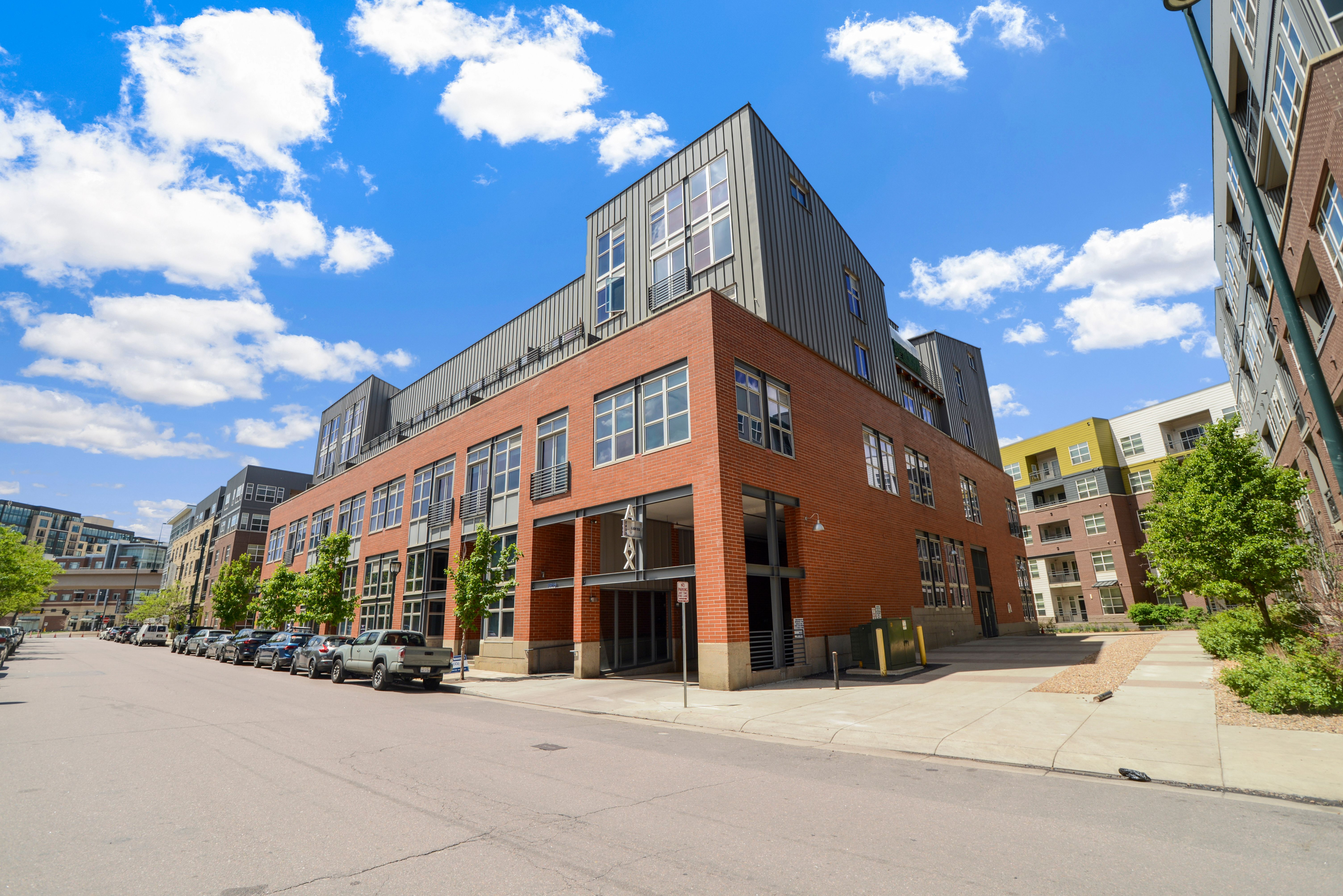
Renting your first apartment in Colorado means signing a legal contract, often before you've ever read one. Colorado rental housing comes with specific renter protections, and most of them apply before you pay a dollar. Oslo on 6th, a studio community serving Aurora and the east Denver metro, wrote this guide so first-timers know what to expect at each step.
What Is the Process for Renting Your First Apartment in Colorado?
The process has four steps: apply, get screened, pay a deposit and sign the lease. A landlord reviews your income, credit, rental history and background, then approves or denies you in writing. Colorado landlord tenant law regulates each step, limiting what you can be charged and what a landlord may hold against you.
Application Fees and Portable Tenant Screening Reports
An application fee in Colorado can't be a profit center. Under the Rental Application Fairness Act, a landlord may charge only what it costs to process your application, and every applicant for the same unit pays the same amount. You get a receipt. Any unused portion should come back within 20 calendar days.
There's also a way to skip the fee. Since August 2023, most Colorado landlords must accept a portable tenant screening report, a reusable report you order once from a consumer reporting agency and share with every property on your list. It has to be completed within the previous 30 days. Hand one over and the landlord can't charge you an application fee or a fee to view the report.
One caveat: a landlord who accepts only one application at a time and refunds the full fee within 20 days of a decline is exempt. When you compare first time renter apartments, ask each one how it handles these reports before you order.
What Landlords Can Check Under Colorado Landlord Tenant Law
No credit history? It's the most common worry for first-timers, and state law narrows what can count against you.
- Income: A landlord can't require your annual income to exceed 200% of the annual rent, which works out to two times the rent (Senate Bill 23-184).
- Credit and rental history: Only the seven years before your application can be considered.
- Criminal history: Arrest records are off limits. So are most convictions older than five years, with exceptions for certain serious offenses.
- Denials: You're owed a written notice stating the reasons, generally within 20 calendar days.
More transparency is coming. Starting January 1, 2027, a law passed in 2026 (House Bill 26-1196) requires every rental application to state what data the landlord will pull and the general factors used to evaluate you.
How Much Is a Deposit Under Colorado Security Deposit Law?
Colorado security deposit law caps a deposit at two months' rent. After you move out, the landlord has 30 days to return it, or up to 60 if the lease says so. Since January 1, 2026, nothing can be withheld for normal wear and tear or for damage that existed before you moved in.
Those 2026 changes came from House Bill 25-1249. It also lets you request a walk-through inspection before you hand back the keys, and it limits carpet and paint deductions to substantial damage. Here's how the main upfront costs compare.
| Cost | What Colorado Law Allows | First-Timer Tip |
|---|---|---|
| Application fee | Actual processing cost only. $0 with a qualifying portable screening report. | Ask for the amount and a receipt before you apply. |
| Security deposit | Up to two months' rent. | Get the final amount in writing at approval. |
| Pet deposit | Up to $300, and it must be refundable. | Monthly pet rent is billed separately. |
| Late fee | None until rent is seven days late. Then the greater of $50 or 5% of past-due rent. | It only applies if the lease discloses it. |
| Deposit return | 30 days after move-out, or up to 60 if the lease says so. | Leave a forwarding address in writing. |
Protect your deposit on day one. Photograph the apartment room by room and email the photos to yourself so they carry a date. Report anything broken in writing.
For a local reference point, Oslo on 6th's published fee schedule, dated September 23, 2026, lists a refundable deposit of $500 per home, with the final amount confirmed at approval. Required monthly charges add $200 to base rent and cover electricity, gas, water, internet, renters insurance and pest control. Colorado's pricing transparency law, in effect since January 2026, requires advertised prices to show the total including mandatory fees, so expect that detail from any property. Current rents are on the studio floor plans page.
Reading Your Apartment Lease Before You Sign
An apartment lease is a binding contract for the whole term. Read every page, addenda included.
Check the rent amount and due date first, then the term, the renewal clause and every recurring fee. Your landlord must give you a copy of the signed lease agreement within seven days. Rent can't be raised more than once in any 12 months. And a late fee is allowed only if the lease discloses it.
Is a 6 Month Lease Agreement a Good First Lease?
A 6 month lease agreement suits renters on a short work contract or anyone still learning the area. Flexibility has a price, though. Shorter terms often carry a higher monthly rate, and your rent is locked for only six months.
There's a legal angle too. Colorado's for-cause eviction protections, which limit when a landlord can decline to renew, apply once you've been a tenant for at least 12 months. Before then, a landlord can generally let a lease end without giving a reason. Available terms change with inventory at most communities, so confirm what's open before you start your application.
Frequently Asked Questions
1. How much money do I need to rent my first apartment in Colorado?
Plan for the first month's rent, a security deposit and an application fee unless you bring a portable screening report. The deposit can't exceed two months' rent by law and is often lower. Ask for the total move-in cost in writing before you commit.
2. Can I rent an apartment in Colorado with no credit history?
Often, yes. Colorado doesn't set a minimum credit score, so each landlord chooses its own criteria. Proof of steady income or a guarantor can offset a thin file, and some properties ask for a higher deposit within the two-month cap. If you're denied, you're entitled to written reasons.
3. What documents do I need for a rental application?
Most Colorado properties ask for the same short list:
- A government-issued photo ID
- Recent pay stubs or a job offer letter
- Contact details for a prior landlord or a reference
- A portable tenant screening report from the past 30 days, if you're using one
4. What are the main tenant rights Colorado renters have?
The tenant rights Colorado renters rely on most cover habitable housing, capped deposits and late fees, limits on screening and written reasons for a denial. Fair housing law also bars discrimination, including on source of income. HUD's Colorado tenant rights page points to free local help.
5. How long does a landlord have to return a security deposit in Colorado?
Thirty days after the lease ends or you move out, whichever comes last. A lease can extend that to 60 days at most. Any deduction must come with a written statement listing the exact reasons, and a landlord who withholds in bad faith can owe up to three times the amount.
Conclusion
Renting your first apartment in Colorado gets easier once you know what a landlord can charge and what the lease commits you to. Get every cost in writing and read the lease before you sign. If Aurora is on your list, Oslo on 6th is at 14200 East 6th Avenue, with a map and directions on the site. This guide is general information as of October 2026, not legal advice, and your own lease controls the details.